Silver Price Today: What to Expect
The price of silver is determined by multiple interconnected factors in the global market. Supply and demand represent the primary drivers of silver valuation. Industrial demand for silver in electronics, solar panels, and medical devices directly affects pricing—increased demand typically raises prices, while oversupply can lower them.
Mining production significantly influences supply levels; disruptions in major silver-producing countries such as Mexico and Peru due to labor strikes or natural disasters can reduce supply and cause price increases. Currency valuation, particularly the strength of the U.S. dollar, substantially impacts silver prices since silver is priced in dollars globally.
A weaker dollar generally correlates with higher silver prices as investors seek protection against inflation and currency depreciation. Central bank interest rate decisions also influence silver pricing by affecting investor preferences. Lower interest rates make non-yielding assets like silver more attractive relative to interest-bearing investments.
The relationship between currency strength and interest rates creates a complex pricing environment for silver in international markets.
Key Takeaways
- Silver prices are influenced by supply-demand dynamics, industrial use, and investor sentiment.
- Recent market trends show increased volatility due to economic uncertainties and geopolitical tensions.
- Global events like inflation rates and currency fluctuations significantly impact silver price movements.
- Historical analysis reveals patterns of silver price spikes during economic crises and market instability.
- Experts suggest cautious investment strategies, emphasizing silver’s role as a hedge and its economic importance.
Current Trends in the Silver Market
As of late 2023, the silver market has been experiencing notable trends that reflect broader economic conditions and investor sentiment. One prominent trend is the increasing interest in silver as a hedge against inflation. With rising consumer prices and concerns about economic stability, many investors are turning to precious metals as a safe haven.
This shift has been particularly evident in the retail market, where sales of silver coins and bars have surged. The U.S. Mint reported a significant increase in silver coin sales, indicating a growing appetite among individual investors for physical silver.
Moreover, the industrial demand for silver is on the rise due to its critical role in green technologies. The push for renewable energy sources has led to increased utilization of silver in photovoltaic cells for solar panels. As countries ramp up their commitments to reduce carbon emissions, the demand for solar energy—and consequently for silver—has seen a marked increase.
This trend is expected to continue as technological advancements improve the efficiency of solar panels and other applications that rely on silver.
Impact of Global Events on Silver Prices
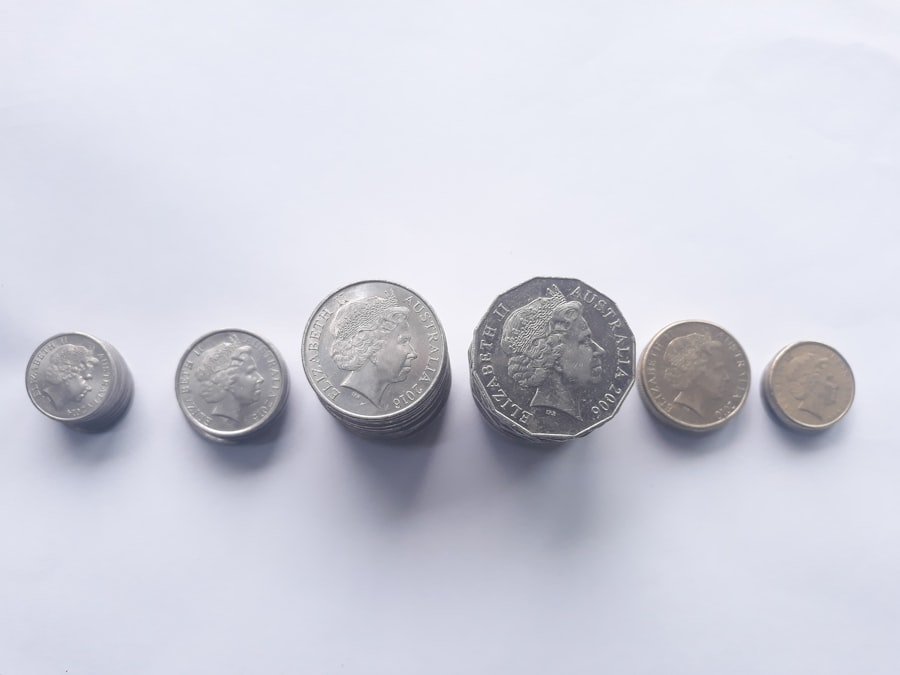
Global events have a profound impact on silver prices, often causing immediate and significant fluctuations. For instance, geopolitical tensions can lead to uncertainty in financial markets, prompting investors to flock to safe-haven assets like silver. The ongoing conflict in Eastern Europe has created volatility in global markets, leading to increased demand for precious metals as a protective measure against economic instability.
Similarly, trade disputes between major economies can disrupt supply chains and affect the availability of silver, further influencing its price. Natural disasters also play a role in shaping the silver market. For example, hurricanes or earthquakes that disrupt mining operations can lead to temporary shortages, driving prices higher.
In 2021, severe weather events in South America impacted mining activities, resulting in reduced output from key producers. Such disruptions highlight the vulnerability of the silver supply chain and its sensitivity to external shocks. Additionally, public health crises like the COVID-19 pandemic have shown how global events can alter demand patterns; during the pandemic, there was a surge in demand for medical equipment that utilizes silver due to its antimicrobial properties.
Analysis of Silver Price Fluctuations
Analyzing silver price fluctuations requires an understanding of both historical trends and current market dynamics. Over the past few decades, silver has experienced significant volatility, with prices reaching all-time highs during periods of economic uncertainty. For instance, during the 2008 financial crisis, silver prices surged as investors sought refuge from collapsing stock markets.
This historical context is essential for understanding how current events may influence future price movements. Technical analysis also plays a crucial role in understanding price fluctuations. Traders often use charts and indicators to identify patterns and potential support or resistance levels in the silver market.
For example, moving averages can help traders determine whether silver is in an upward or downward trend. Additionally, sentiment analysis—gauging investor attitudes towards silver—can provide insights into potential price movements. If sentiment shifts towards bullishness due to favorable economic indicators or increased industrial demand, it may signal an upward trajectory for silver prices.
Predictions for Future Silver Prices
| Metric | Value | Unit | Last Updated |
|---|---|---|---|
| Spot Price | 24.15 | USD per ounce | 2024-06-27 10:00 AM |
| 24 Hour High | 24.30 | USD per ounce | 2024-06-27 09:45 AM |
| 24 Hour Low | 23.95 | USD per ounce | 2024-06-27 04:00 AM |
| Change (24h) | +0.20 | USD per ounce | 2024-06-27 10:00 AM |
| Percentage Change (24h) | +0.84% | Percent | 2024-06-27 10:00 AM |
| Volume Traded (24h) | 150,000 | Ounces | 2024-06-27 10:00 AM |
Forecasting future silver prices involves a combination of market analysis, economic indicators, and geopolitical considerations. Analysts often look at historical price trends alongside current market conditions to make educated predictions. Many experts believe that as global economies continue to recover from the impacts of the pandemic, industrial demand for silver will remain strong, particularly in sectors like renewable energy and electronics.
This sustained demand could support higher prices over the long term. However, potential headwinds exist that could temper price growth. For instance, if central banks begin to raise interest rates significantly to combat inflation, it could lead to a stronger dollar and reduced attractiveness of non-yielding assets like silver.
Additionally, any technological advancements that reduce the amount of silver needed in industrial applications could also impact demand negatively. Therefore, while many analysts are optimistic about the long-term outlook for silver prices due to its essential role in various industries, they also caution that short-term volatility may persist.
Tips for Investing in Silver
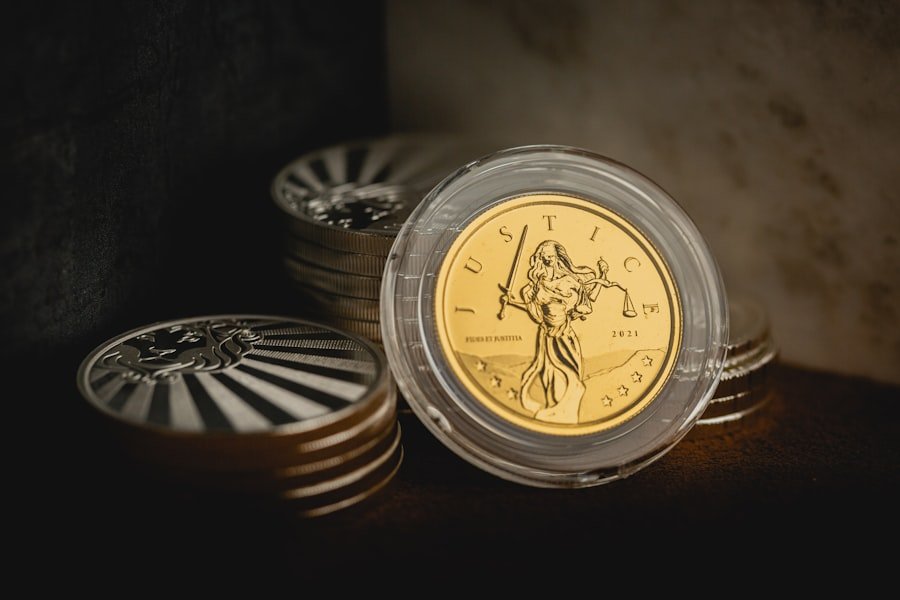
Investing in silver can be a rewarding venture if approached with careful consideration and strategy.
Physical silver offers tangible value but comes with storage and insurance considerations; ETFs provide liquidity and ease of trading without the need for physical storage; while mining stocks can offer leveraged exposure to rising silver prices but come with their own set of risks related to operational performance.
Another important aspect is timing your investments based on market conditions and trends. Keeping abreast of economic indicators such as inflation rates, interest rates, and industrial demand can help inform your buying decisions. For instance, purchasing silver during periods of low prices or when market sentiment is bearish may yield better long-term returns as prices recover.
Additionally, staying informed about geopolitical developments can provide insights into potential price movements; investing during times of uncertainty may offer opportunities as investors seek safe-haven assets.
Expert Opinions on Silver Price Movement
Expert opinions on silver price movements vary widely based on individual analyses and market perspectives. Some analysts emphasize the importance of industrial demand as a driving force behind future price increases. They argue that as technology continues to evolve and more industries adopt sustainable practices requiring silver—such as electric vehicles and renewable energy—demand will outstrip supply, leading to higher prices over time.
Conversely, some experts caution against overly optimistic projections by highlighting potential risks such as economic slowdowns or changes in monetary policy that could negatively impact precious metal prices. They stress the importance of considering macroeconomic factors and historical price behavior when making predictions about future movements.
Understanding the Role of Silver in the Economy
Silver plays a multifaceted role in the economy beyond its status as a precious metal. Its applications span various industries, making it an essential component in modern manufacturing processes. In electronics, for example, silver’s excellent conductivity makes it invaluable for circuit boards and connectors used in smartphones and computers.
The growing demand for electronic devices continues to drive industrial consumption of silver. Moreover, silver’s significance extends into finance as a hedge against inflation and currency devaluation. Investors often turn to silver during times of economic uncertainty or when traditional investments appear risky.
This dual role—as both an industrial commodity and a financial asset—underscores its importance within the broader economic landscape. Understanding these dynamics can help investors appreciate not only why silver prices fluctuate but also how they are intertwined with global economic trends and technological advancements.
For those interested in the current trends affecting silver prices today, you might find it insightful to read about the implications of financial planning in the context of asset management. An article discussing the importance of having an estate plan, especially in light of unexpected events, can be found here: Estate Attorney Reacts to Tony Hsieh Passing Without an Estate Plan. Understanding how to manage and protect your assets can be crucial in times of market volatility.
FAQs
What factors influence the silver price today?
The silver price today is influenced by various factors including global economic conditions, supply and demand dynamics, currency fluctuations (especially the US dollar), interest rates, inflation expectations, and geopolitical events. Industrial demand and investment trends also play significant roles.
Where can I find the current silver price today?
The current silver price today can be found on financial news websites, commodity market platforms, precious metals dealers’ websites, and stock market apps. Prices are typically quoted per ounce in US dollars.
How often does the silver price update?
Silver prices update frequently throughout the trading day, often in real-time or with minimal delay, depending on the source. Prices fluctuate based on market activity and global events.
What is the difference between spot price and futures price of silver?
The spot price of silver refers to the current market price for immediate delivery, while the futures price is the agreed-upon price for delivery at a future date. Futures prices can be influenced by expectations about future market conditions.
Is silver price affected by the stock market?
Yes, silver prices can be affected by stock market performance. During times of stock market volatility or downturns, investors may turn to silver as a safe-haven asset, potentially driving up its price.
Can I buy silver at today’s price?
Yes, you can buy silver at today’s price through various channels such as precious metals dealers, online marketplaces, and commodity exchanges. However, the actual purchase price may include premiums or fees above the spot price.
What is the historical trend of silver prices?
Historically, silver prices have experienced significant fluctuations due to economic cycles, industrial demand, monetary policies, and geopolitical events. Prices have seen both sharp increases and declines over the decades.
How does currency exchange rate affect silver price today?
Since silver is typically priced in US dollars, fluctuations in the dollar’s value can impact silver prices. A weaker dollar generally makes silver cheaper for holders of other currencies, potentially increasing demand and price.
Is silver price today the same worldwide?
While the base silver price is generally consistent globally due to international markets, local prices may vary due to taxes, import duties, dealer premiums, and currency exchange rates.
What is the best time to check silver price today?
The best time to check silver price today is during active market hours, typically when major commodity exchanges like COMEX or the London Bullion Market are open. This ensures the most accurate and up-to-date pricing information.

Why Commercial Real Estate Investing Is Worth A Look

How to Protect Investments from Creditors

Stock Market Hours: This Week’s Schedule
About The Author
