Is the Stock Market Open Today?
The stock market operates within defined trading hours that determine when transactions can occur. These hours are essential knowledge for investors, traders, and market participants. Unlike a continuous 24-hour operation, the stock market has specific periods designated for buying and selling stocks.
Trading hours vary by exchange and trading type. The New York Stock Exchange (NYSE) and Nasdaq maintain regular trading hours while also offering pre-market and after-hours trading sessions. This structured schedule creates an organized trading environment where participants can conduct transactions with clear visibility of market availability.
Stock market hours significantly impact market liquidity, price discovery, and investor sentiment. Regular trading hours generate the highest transaction volumes, typically resulting in more accurate stock pricing. Pre-market and after-hours trading sessions experience lower volumes, which frequently produces increased price volatility and wider bid-ask spreads.
Consequently, understanding these trading hour variations is critical for making informed investment decisions and managing investment risk effectively.
Key Takeaways
- Stock market hours include regular trading, pre-market, and after-hours sessions.
- Regular trading hours are typically from 9:30 AM to 4:00 PM EST.
- After-hours and pre-market trading allow for extended trading outside regular hours but with lower liquidity.
- Stock market holidays close the market, affecting trading schedules and liquidity.
- Traders can check market status daily through official exchange websites or financial news platforms.
Regular Trading Hours
Regular trading hours for major U.S. stock exchanges, such as the NYSE and Nasdaq, typically run from 9:30 AM to 4:00 PM Eastern Time (ET), Monday through Friday. This timeframe is when the majority of trading activity occurs, characterized by high liquidity and significant price movements.
During these hours, institutional investors, retail traders, and market makers actively participate in buying and selling stocks, leading to a more efficient market where prices reflect real-time information and investor sentiment. The regular trading session is marked by several key events that can influence stock prices. For instance, earnings reports are often released before or after the market opens, and economic indicators are typically announced during this time.
These events can lead to sharp price movements as traders react to new information. Additionally, the first and last hour of trading often sees heightened activity as traders position themselves based on overnight news or adjust their portfolios ahead of the market close. Understanding these dynamics can provide traders with insights into potential price movements and help them strategize their trades effectively.
After-Hours Trading

After-hours trading refers to the buying and selling of stocks that occurs after the regular trading session has concluded. This session typically runs from 4:00 PM to 8:00 PM ET. While after-hours trading offers investors the opportunity to react to news and events that occur outside of regular hours, it comes with its own set of challenges.
One of the primary characteristics of after-hours trading is lower liquidity compared to regular hours, which can lead to increased volatility and wider spreads between bid and ask prices. Investors engaging in after-hours trading must be aware of the risks involved. For example, a stock may experience significant price fluctuations due to limited trading volume, making it difficult to execute trades at desired prices.
Additionally, not all stocks are available for after-hours trading, and some brokers may impose restrictions on certain securities or charge higher fees for trades executed during this time. Despite these challenges, after-hours trading can be advantageous for those looking to capitalize on late-breaking news or earnings announcements that could impact stock prices.
Pre-Market Trading
Pre-market trading occurs before the official opening of the stock market, typically from 4:00 AM to 9:30 AM ET. Similar to after-hours trading, pre-market sessions allow investors to react to news and events that may influence stock prices before the regular trading day begins. This period can be particularly useful for traders who want to position themselves ahead of anticipated market movements based on overnight developments or economic reports released before the market opens.
However, pre-market trading also presents unique challenges. The volume of trades during this time is generally lower than during regular hours, which can lead to increased volatility and less reliable price movements. Additionally, not all brokers offer pre-market trading services, and those that do may have specific rules regarding order types and execution.
Traders must exercise caution when participating in pre-market sessions, as the potential for rapid price changes can lead to unexpected losses if not managed properly.
Stock Market Holidays
| Date | Day | Is the Stock Market Open? | Market Hours (EST) | Notes |
|---|---|---|---|---|
| 2024-06-10 | Monday | Yes | 9:30 AM – 4:00 PM | Regular trading day |
| 2024-06-11 | Tuesday | Yes | 9:30 AM – 4:00 PM | Regular trading day |
| 2024-06-12 | Wednesday | Yes | 9:30 AM – 4:00 PM | Regular trading day |
| 2024-06-13 | Thursday | Yes | 9:30 AM – 4:00 PM | Regular trading day |
| 2024-06-14 | Friday | Yes | 9:30 AM – 4:00 PM | Regular trading day |
| 2024-06-15 | Saturday | No | Closed | Weekend |
| 2024-06-16 | Sunday | No | Closed | Weekend |
| 2024-07-04 | Thursday | No | Closed | Independence Day Holiday |
The stock market observes several holidays throughout the year when it remains closed for trading. These holidays are typically established by the exchanges themselves and can vary slightly from year to year. Major holidays include New Year’s Day, Independence Day, Thanksgiving Day, and Christmas Day.
When a holiday falls on a weekend, exchanges may close on the nearest weekday instead. For instance, if Christmas falls on a Saturday, the market may close on the preceding Friday. Understanding stock market holidays is essential for traders and investors as they can impact trading strategies and portfolio management.
During holiday periods, many traders may choose to reduce their positions or avoid making significant trades due to uncertainty about market conditions. Additionally, holiday schedules can affect liquidity in the days leading up to and following a holiday as traders adjust their strategies accordingly.
Impact of Holidays on Trading
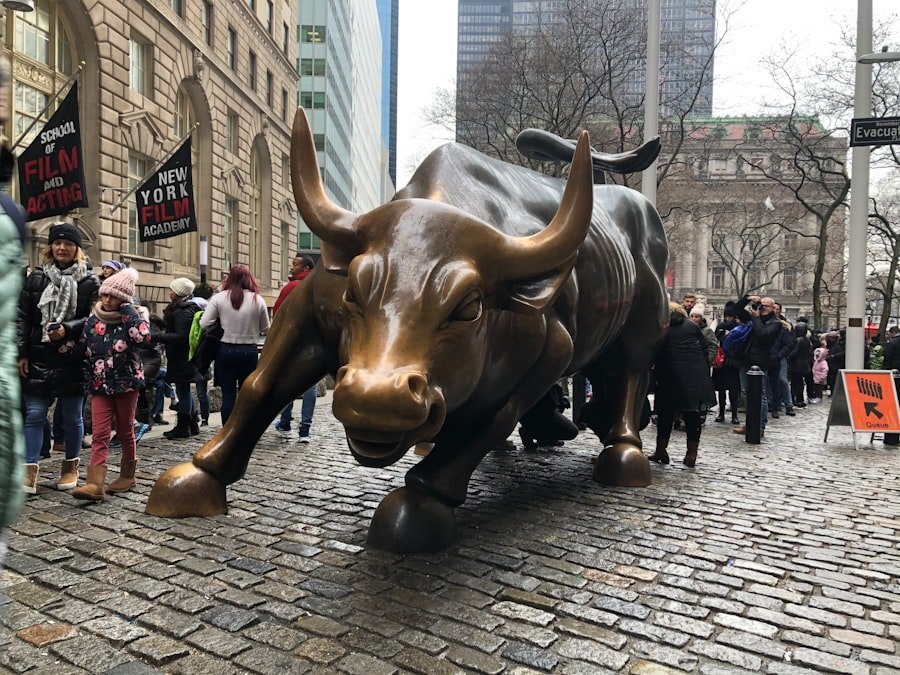
Holidays can have a profound impact on stock market activity and investor behavior. In the days leading up to a holiday, it is common to see reduced trading volumes as many investors take time off or adjust their portfolios in anticipation of market closures. This decrease in activity can lead to increased volatility as fewer participants are available to absorb large trades or respond to news events.
Moreover, historical data suggests that certain holidays may influence market performance in predictable ways. For example, the “Santa Claus Rally,” which refers to a rise in stock prices during the last week of December through the first two trading days in January, has been observed in many years. Conversely, some studies indicate that markets may experience declines following major holidays as traders return from their breaks and reassess their positions.
Understanding these patterns can help investors make more informed decisions about when to enter or exit positions around holiday periods.
How to Check if the Stock Market is Open Today
For investors looking to determine whether the stock market is open on a given day, there are several reliable methods available. One of the simplest ways is to check financial news websites or dedicated financial platforms that provide real-time updates on market status. Websites like Bloomberg, CNBC, or Yahoo Finance often have sections dedicated to market hours and holiday schedules.
Additionally, most brokerage platforms offer tools that indicate whether markets are open or closed on any given day. Many brokers also send notifications regarding upcoming holidays or changes in trading hours directly to their clients via email or through their mobile apps. For those who prefer a more traditional approach, checking a calendar that lists stock market holidays can also be beneficial.
Understanding stock market hours is essential for anyone involved in investing or trading activities. The structured nature of regular trading hours provides a framework for market participants to engage in transactions efficiently while after-hours and pre-market sessions offer additional opportunities for those willing to navigate their complexities. Recognizing how holidays impact trading behavior further enhances an investor’s ability to make informed decisions in a dynamic market environment.
By utilizing various resources to check market status and staying informed about holiday schedules, investors can better position themselves for success in their financial endeavors.
If you’re wondering whether the stock market is open today, it’s also a good time to consider how your investments are impacted by various financial strategies. For instance, you might find it beneficial to explore how qualified retirement plans can help you in managing your portfolio effectively. Understanding these plans can provide valuable insights into long-term investment strategies, especially during fluctuating market conditions.
FAQs
Is the stock market open on weekends?
No, the major stock markets such as the New York Stock Exchange (NYSE) and NASDAQ are closed on Saturdays and Sundays.
What are the regular trading hours for the stock market?
The regular trading hours for the NYSE and NASDAQ are from 9:30 AM to 4:00 PM Eastern Time, Monday through Friday.
Are stock markets open on public holidays?
No, stock markets are closed on major public holidays such as New Year’s Day, Independence Day, Thanksgiving, and Christmas.
Can I trade stocks outside of regular market hours?
Yes, many brokers offer pre-market and after-hours trading sessions, but these have lower liquidity and higher volatility.
How can I find out if the stock market is open today?
You can check the official stock exchange websites, financial news platforms, or your brokerage account for real-time market status.
Do stock market hours vary by country?
Yes, stock market hours differ depending on the country and the specific exchange. For example, the London Stock Exchange operates from 8:00 AM to 4:30 PM GMT.
Are there any special trading days with shortened hours?
Yes, stock markets sometimes have shortened trading sessions on days before major holidays, typically closing early at 1:00 PM Eastern Time.
What happens if a holiday falls on a weekend?
If a market holiday falls on a Saturday, the market is usually closed on the preceding Friday. If it falls on a Sunday, the market is closed on the following Monday.
7 Business Asset Protection Tactics to Limit Liability
How To Appear Broke to Creditors and Lawyers

Dynasty Trusts: How Do They Work
About The Author
